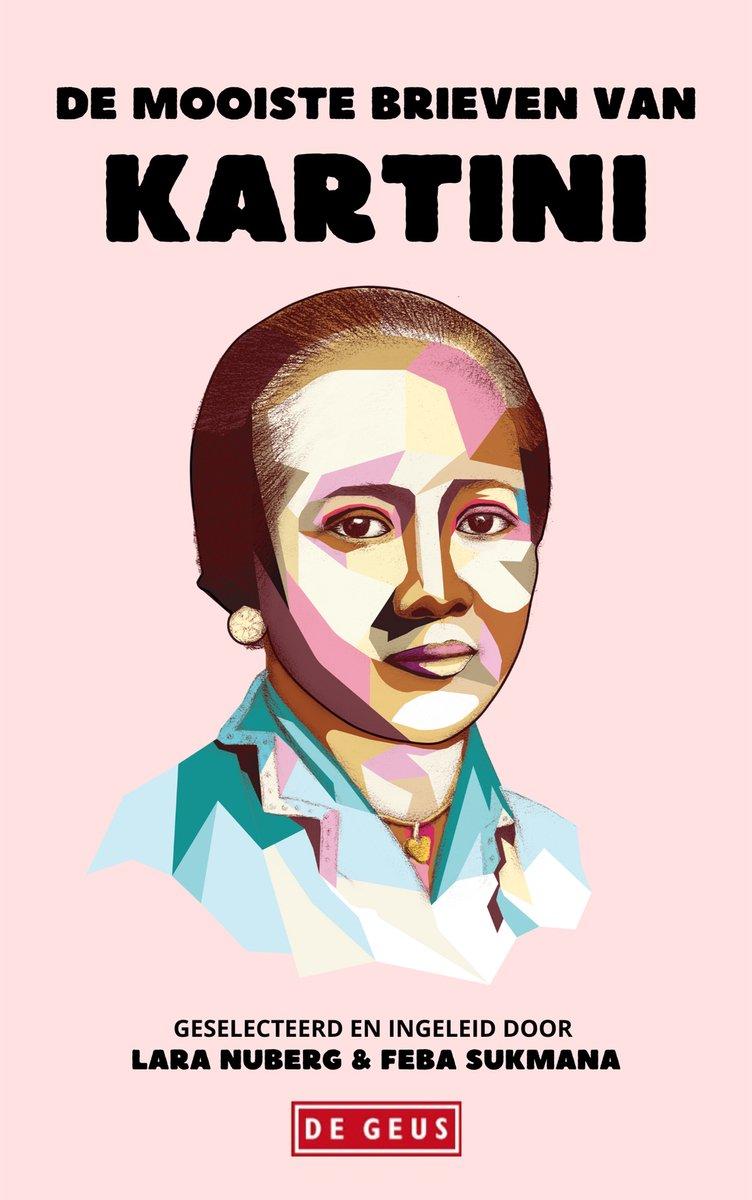
Kartini’s Greatest Letters edited by Lara Nuberg and Feba Sukmana
The long-awaited reprint of the letters by the most famous Javan feminist and Indonesia’s national heroine is finally here
Kartini’s letters offer not just an intimate insight into her life, but a plainly worded indictment of Dutch colonialism and the patriarchy. Her vision on class, ethnicity and gender put her among the most perceptive and pioneering feminist thinkers – and her insights remain relevant to this day.
Martijn Prins
Raden Adjeng Kartini lived from 1879 to 1904. Yet despite her passing at just 25 years of age, she is a household name in Indonesia, where her birthday is a national holiday. Her letters have even received UNESCO World Heritage status. In this collection, readers are given a candid and complete picture of Kartini’s inner world. *
Trapped in the colonial society and patriarchy of early twentieth-century Java, the young and ambitious Kartini wrote letters to Dutch pen pals containing acute observations on colonial injustice, the parlous state of women’s rights and her desire for education and an independent life. ‘A woman who is truly educated,’ she writes, ‘cannot find happiness in a society that deprives her of her freedom.’
Her letters occupy the fraught space between obedience and ambition. For Kartini, letter-writing was more than a means of communication: it was a form of literary expression that allowed her to assimilate vulnerability with sharp observation. This collection features a selection of twenty-eight of Kartini’s letters. In contrast with previous editions, the letters are presented in their original form and have not been redacted or abridged, courtesy of the editors Lara Nuberg and Feba Sukmana, whose meticulous work has allowed Kartini’s words to shine.
UNESCO has recognised Kartini’s letters as documentary world heritage due to their influence on women’s education, emancipation and the fight for equality.
The collection gives readers a candid and complete picture of Indonesia’s national symbol of women’s emancipation.
The contents of Kartini’s letters continue to resonate over a century later.
Kartini is a modern thinker in colonial times – a women’s rights activist and now a national hero in Indonesia. Thanks to this excellent selection of her letters, we now have the chance to learn about our past and the oppressor within us.
Adriaan van Dis, author
Kartini’s carefully crafted letters leave you breathless. After reading her last lines, you feel like you’ve lost a good friend.
de Volkskrant
Nuberg and Sukmana present the raw reality of Kartini’s words from page one, giving readers a hard-hitting, representative view of her thinking. Her words not only hold historical significance, but are also relevant to today’s society and ethics.
Historiek