Connie Palmen
Connie Palmen (b. 1955) studied Dutch and philosophy. She shot to fame with her first novel 'De wetten' (The Laws, 1991). In 2026 she was awarded the Constantijn Huygens-prijs for her work.

Connie Palmen (1955) is one of the Netherlands’ leading contemporary writers. Her debut novel The Laws (1991) was voted the European Novel of the Year. Her second novel, The Friendship (1995) won her the AKO Literatuurprijs, and I.M. (1998) the Trouw Publieksprijs. Your Words, My Words (2015), her novel on Ted Hughes, was awarded the 2016 Libris Literature Prize. In Logboek van een onbarmhartig jaar (Log Book of a Merciless Year, 2011), she wrote about her her late husband, politician Hans van Mierlo. In November 2025, she was appointed Commander of the Order of the Netherlands Lion. Her work has been translated into twenty languages. Johnnie Walker is her first novel in eleven years.
More Connie Palmen
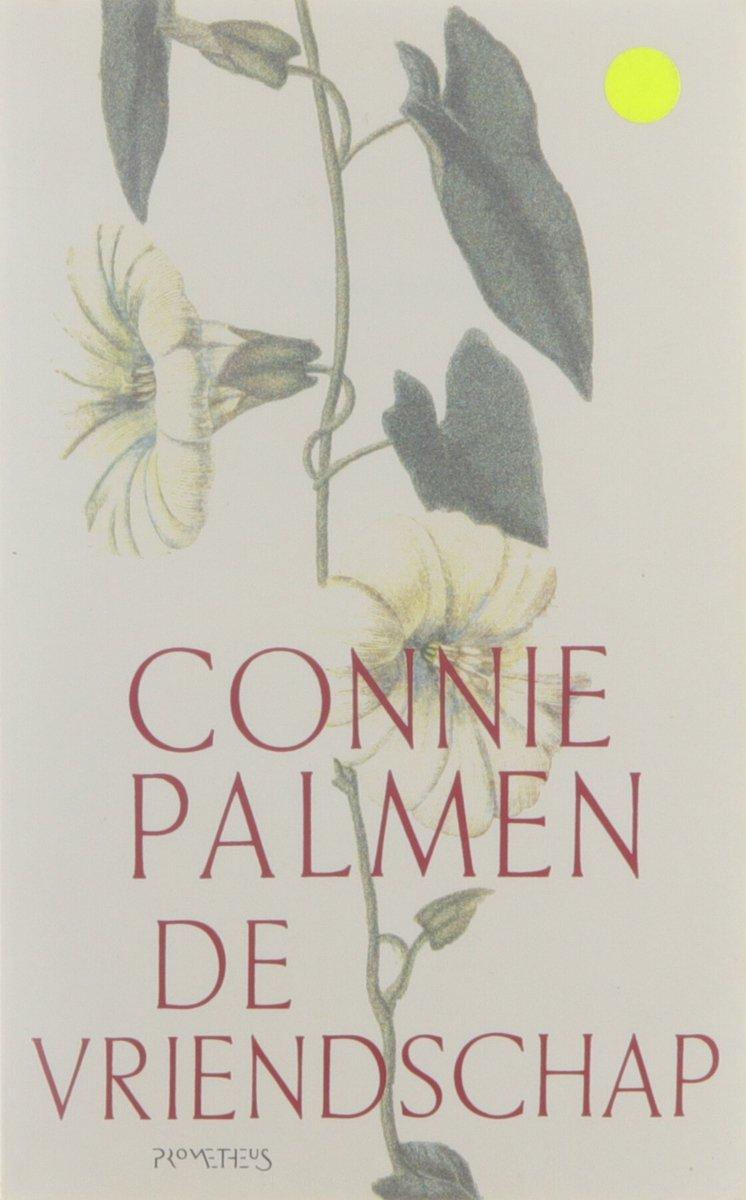
The Friendship
A thirty-year-old psychologist-philosopher recoils from the indigestible and inaccessible language of academia. Instead of her dissertation she writes a letter to her bosom friend. Her studies concern everyone, not just an elite. ‘Writing is giving your mind another body,’ she writes, ‘so why shouldn’t that body be an attractive one?’ This twenty-page literary letter is the surprising conclusion of the three-part novel 'De vriendschap'.
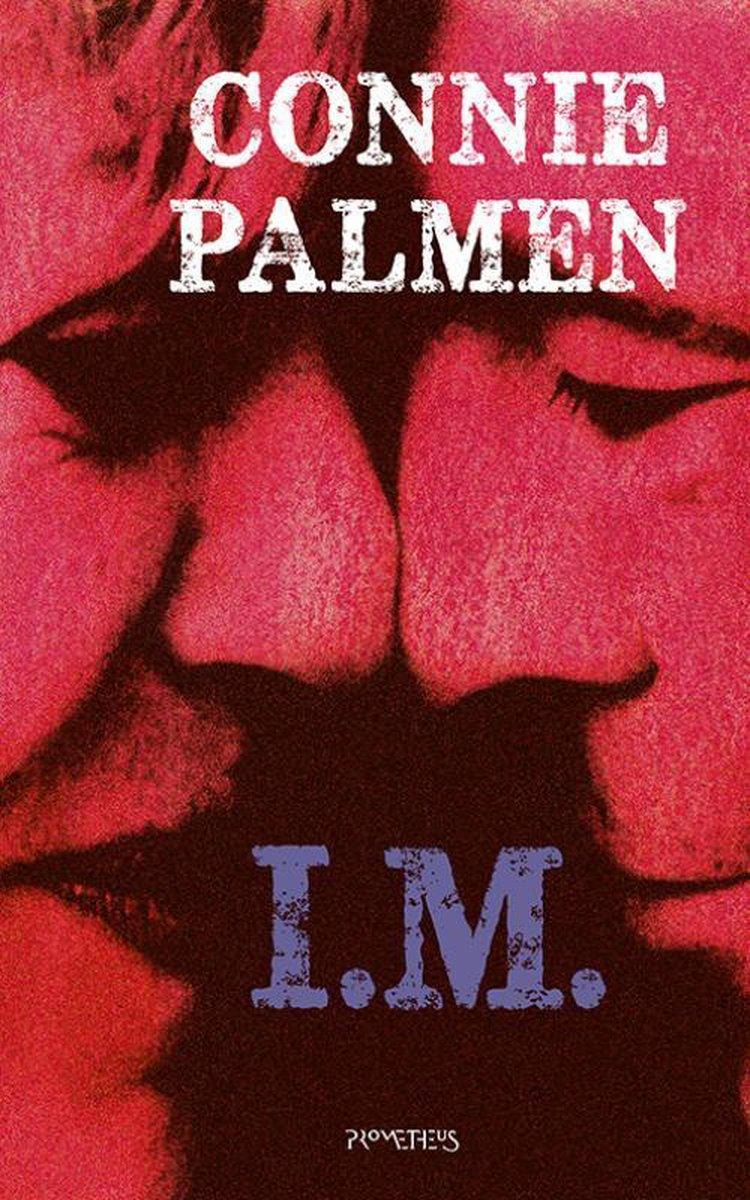
I.M.
Shortly after the publication of her first novel, 'De wetten' (The Laws, 1991), Connie Palmen met the notorious interviewer and journalist Ischa Meijer. It was love at first sight. The success of Palmen’s début and her love affair with a celebrity made her a public figure overnight. February 1995 saw the appearance of her second novel 'De vriendschap', but a few weeks previously fate had struck a dreadful blow when Ischa Meijer died of a heart attack. Palmen’s new documentary novel 'I.M.' (Ischa Meijer, In Memoriam, In Margine) covers these four years of her life.
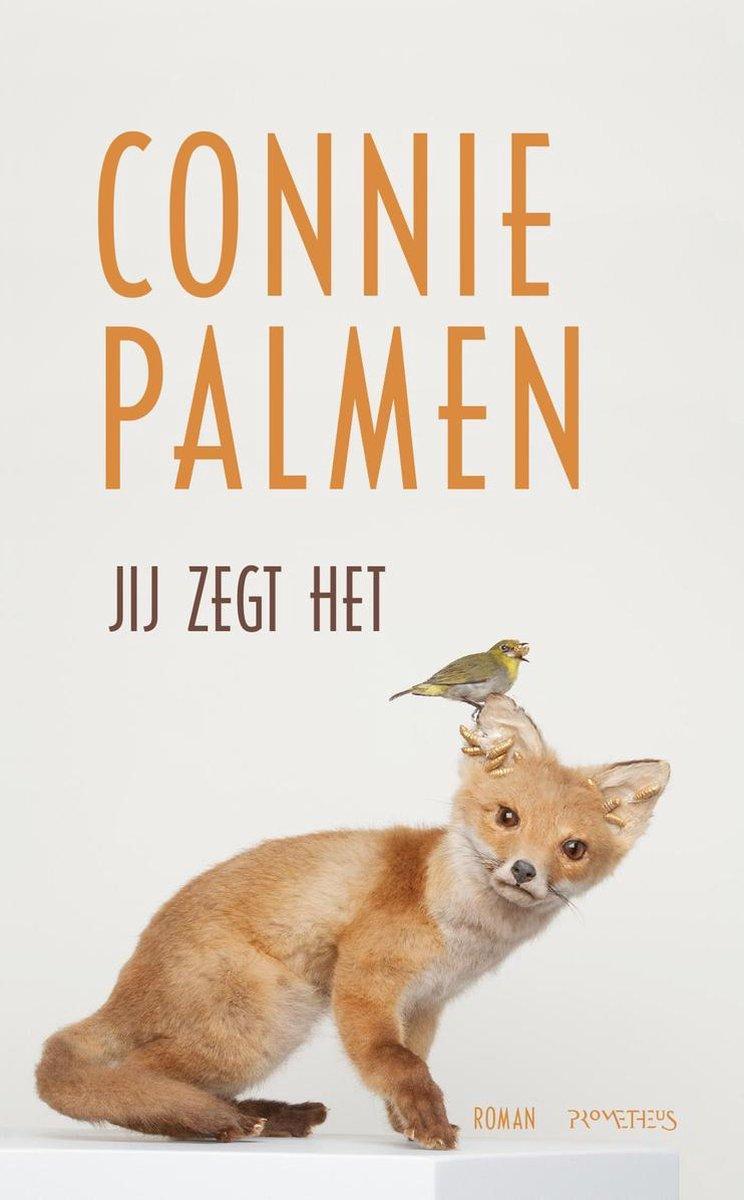
You Said It
After Ted Hughes left her for another woman, Sylvia Plath killed herself. She became a martyr and a saint; he was branded a murderer and a monster. Hughes did little to dispel this version of events. In this novel, written as a dramatic monologue worthy of a poet laureate, Connie Palmen gives Hughes a voice to tell his side of the story.