Cees Nooteboom
Cees Nooteboom (b. 1933) debuted in 1955 with the novel 'Philip en de anderen' (Philip and the Others) and has since built up an imposing oeuvre of novels, poetry, short stories and travelogues.
-simone-sassen.jpg&w=3840&q=75)
His work earned him numerous awards, among which the Bordewijk Prize an the (American) Pegasus Prize for Rituelen (Rituals, 1980) and the Aristeion European Prize for Literature for Het volgende verhaal (The Following Story, 1991). The latter was translated into over twenty languages and signalled his international breakthrough. In 2004 he was awarded the prestigious P.C. Hooft Prize for his entire oeuvre. The jury’s report stated that with regard to its power of expression, scope and originality, Cees Nooteboom’s prose is of the best produced in the Netherlands in the last fifty years. Among his other books are the travelogues Berlijnse notities (Berlin Notes, 1990), which won him the German 3rd of October Literature Prize, and De omweg naar Santiago (Roads to Santiago, 1992), and the novels Allerzielen (All Souls’ Day, 1998) and Paradijs verloren (Lost Paradise, 2004).
More Cees Nooteboom
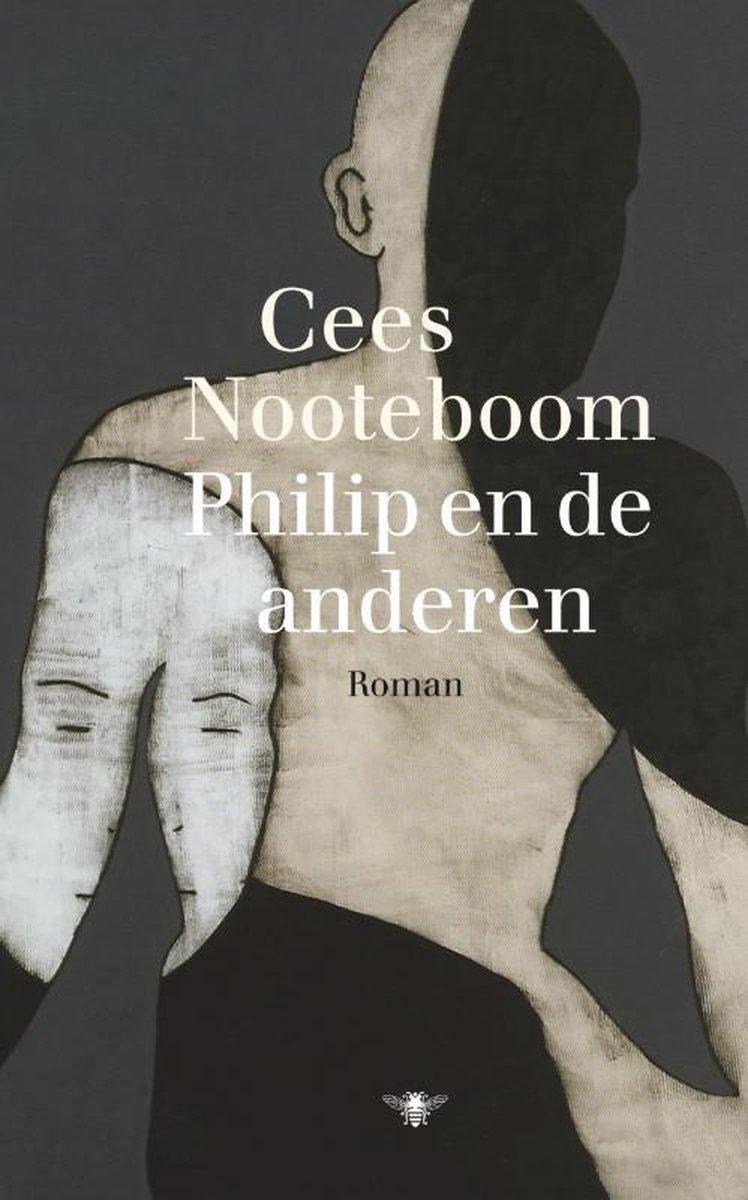
Philip and the Others
What seems most astounding now when rereading this debut novel (first published in 1955), is that, viewed with the knowledge we have today, the complete writer Cees Nooteboom can already be seen in this book. The romantic writer who travels around and around the world, his head brimming with culture, history and literature; someone to whom the right poetic quotes and allusions to classical mythology occur naturally; someone who confers with both the living and the dead – as evidenced by his many visits to the tombs of his admired predecessors.
Rituals
Set in Amsterdam during the 1950s, 1960s, and 1970s, the novel opens with the protagonist’s attempted suicide after his wife, Zita, leaves him for an Italian. We follow Inni Wintrop as he wanders the streets of Amsterdam alone, looking for meaning in the ‘wonderful, empty universe’. Along the way he happens to encounter Arnold Taads and his estranged son, Philip. All three characters have lost their faith in God and are attempting to create their own meaning in life through rituals. Arnold Taads is rigidly tied to time. ‘Time,’ Inni learns, ‘was the father of all things in Arnold Taad’s life’.
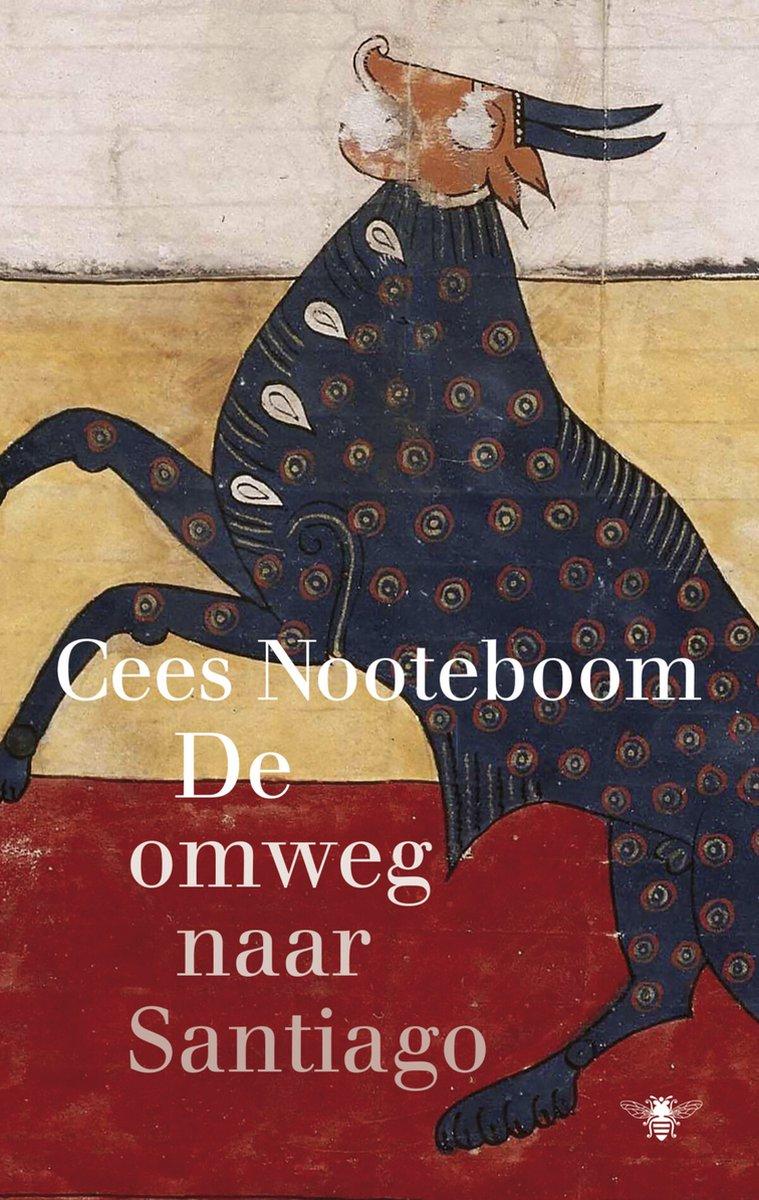
Roads to Santiago
For this book the born traveller Nooteboom made a selection from the many articles he has written about Spain over the last decades. That was no simple task, he explained in an interview, because of the degree of his devotion to that country. Nooteboom has been visiting Spain for forty years. He spends several months each year on one of the Spanish islands and has written a significant part of his work there. This close bond and his unconditional love made it difficult for him to maintain the distance a travel writer needs. In Berlin when the Wall fell, Nooteboom succeeded where many German authors failed by keeping an overview and the distance necessary for concise, pithy observations ('Berlijnse notities', 1990).
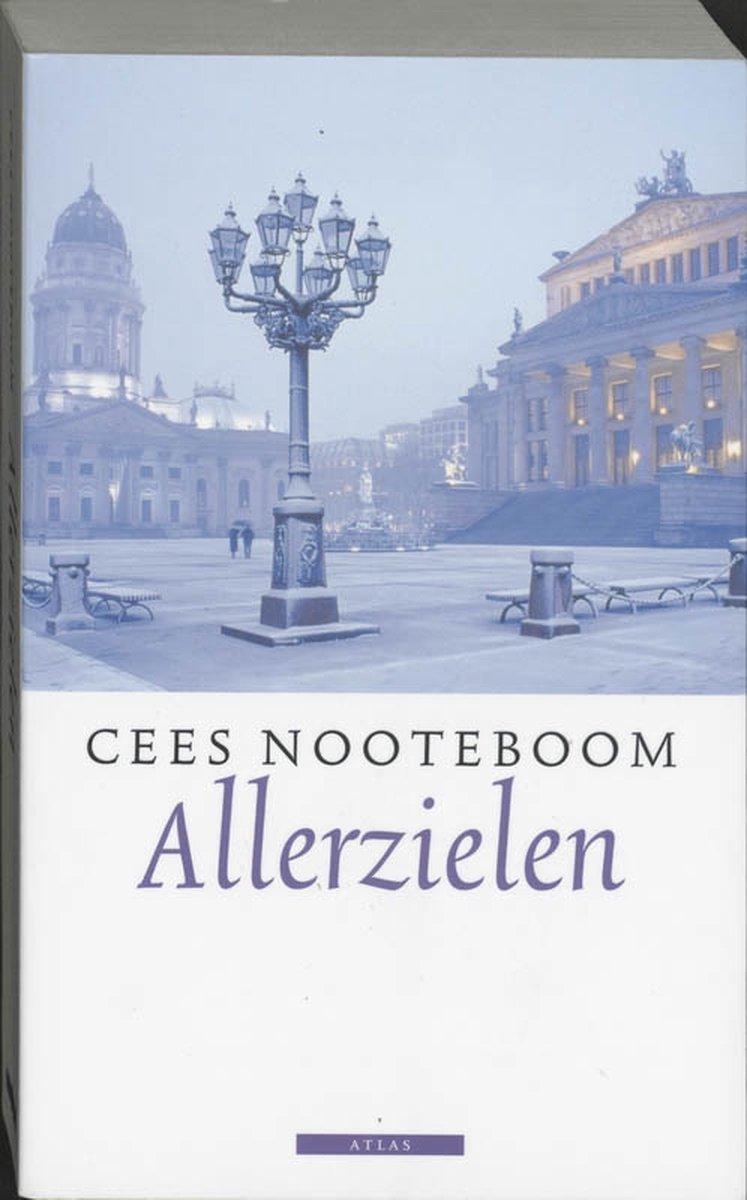
All Souls
Forty-five-year-old Arthur Daane, the central figure in All Souls, is a maker of TV documentaries. It is no accident that he lives in Berlin, where every stone bears traces of the city’s history. For years he has filmed impulsively, in secret, in the most unlikely places. At first glance, the images are unrelated: ‘a world torn to pieces, inert, reflective, without anecdotal content, fragments which would one day fit together.’