The Shame is Over: A Political Life Story
The feminist classic that changed everything — back in print fifty years after it first shook the world
In 1976, a young woman wrote a book about her own life and inadvertently ignited a movement. The Shame is Over — the account of Anja Meulenbelt's coming-of-age as a woman, a mother, and a feminist — became an international bestseller overnight and established her as one of the defining voices of second-wave feminism.
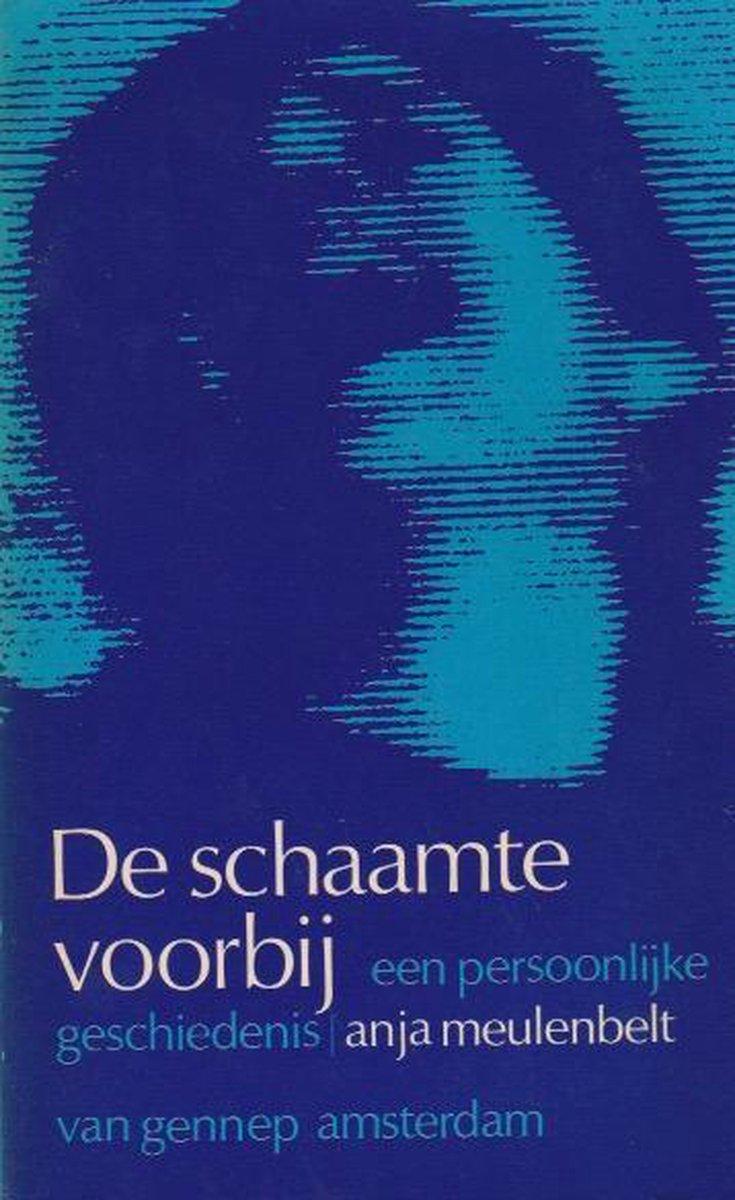
The author was sixteen when she fell pregnant and felt she had no choice but to marry the violent father of her child. What follows is an unflinching account of that marriage, her escape from it, and her years as a single working mother in a world built by and for men. She writes about desire and the female body, about money and class, about the particular exhaustion of fighting on every front at once. And she writes about shame — and what happens when it finally lifts.
'I see,' she writes, 'in piercingly bright spotlights, magnified tenfold, the details of my oppression, the details of other women's pain. I have no more defenses against it, no blinkers. I am submerged in it like a mollusk without a shell. Self-pity? For sure, I could swim in self-pity. Vindictive? That, too. But no shame. The shame is over.'
The book's power lies not just in what Meulenbelt describes, but in how she describes it — raw, direct, and resolutely subjective at a time when women were expected to be neither. In an era of renewed attacks on reproductive rights, bodily autonomy, and hard-won gender equality, The Shame is Over reads less like a historical document than a dispatch from the present.
Reprint of the 1976 feminist classic on the occasion of its fiftieth anniversary
Winner of the P.C. Hooftprijs (2024), the Netherlands' highest literary honour for a body of work
US rights: Astra House Publishing | German rights: BTB/Penguin Random House | Italian rights: Fazi Editore
Meulenbelt's nascent language must not be viewed as aloof or analytical, but sincerely engaged, synthesising and consciously subjective.
Jury of the P.C. Hooftprijs
A candid, shameless and extremely well-written book about the life of an ordinary woman, with all the misery and inequality that typified the 60s and 70s — and is sadly becoming ever more typical today.
de Volkskrant
The impact of this book cannot be overestimated.
NRC