The Journey of the Walnut
‘The wild walnut was domesticated as early as 7,000 years ago, long before horses and chickens. Horses and chickens became domestic animals; the walnut became a domestic nut.’
Romke van de Kaa’s huge garden contains several walnut trees. Van de Kaa, horticulturalist and nature writer, has been fascinated by the tree and its fruits his entire life. He is by now one of the leading authorities on walnuts. He knows everything about the ways in which the wood and fruits can be used, yet the origin of the plant itself has always remained a mystery. Many countries and regions claim to be the cradle of the walnut but are unable to prove it. Is the plant from Central Asia, Persia, Georgia, Afghanistan or North America?
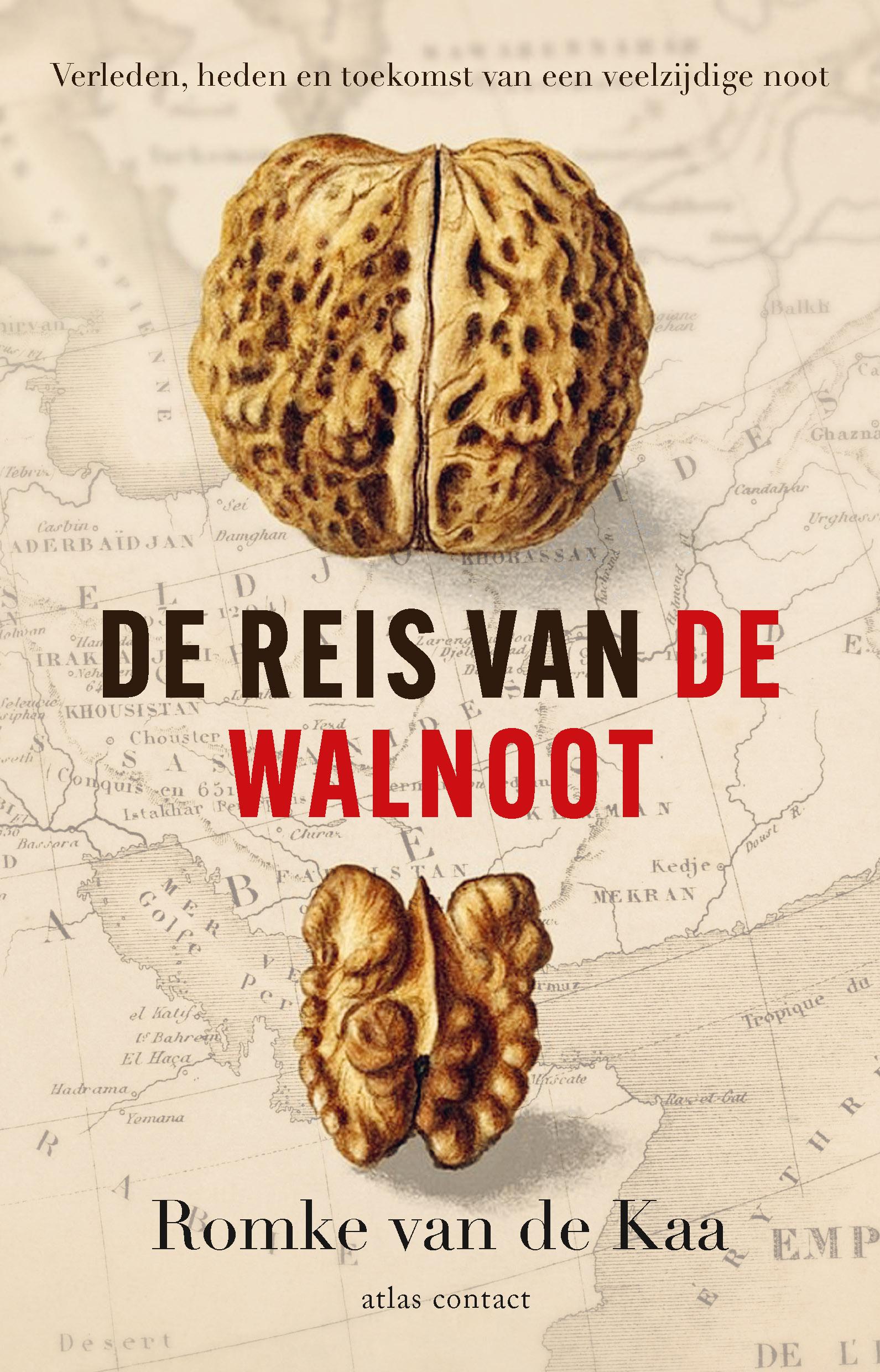
Van de Kaa takes his readers on a journey around the world in search of the walnut’s origins. We travel from wild walnut forests in Kyrgyzstan to Turkish and Sicilian walnut festivals. Both explorer and reader learn how the walnut we know today is first and foremost a product of coexistence between human and nut.
Back in the Netherlands, Van de Kaa looks to the future. Walnut trees which in the past were traditionally planted close to the farmhouse purely to provide shade and tranquillity in the farmyard can nowadays play an important role in the fundamental changes that must be made to our food system.
Van de Kaa combines his practical knowledge and infectious passion for his subject with a effortless narrative style. The Journey of the Walnut is as vibrant as it is illuminating. Besides being a quest for knowledge, travel journal, and source of insights into the walnut, it is also a cultural history, using this one product to explore its wider historical and contemporary context. The book adds to the canon of popular cultural histories inspired by or focusing on one particular product, be that salt, sugar, or nutmeg.