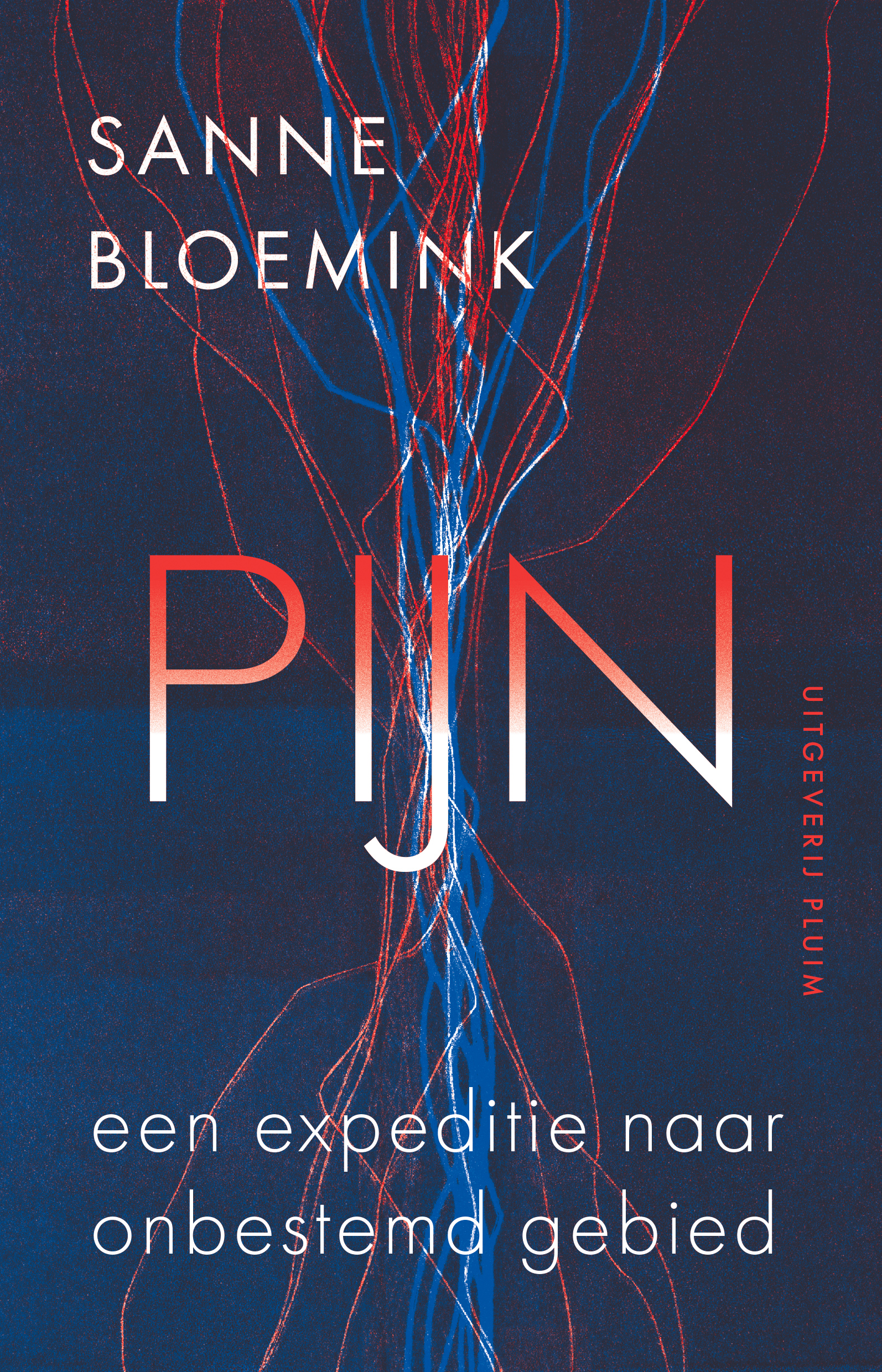
Pain — An Expedition Into Uncharted Territory
A palliative investigation into the meaning(lessness) of chronic pain
Pain causes a lot of suffering and comes with a huge price tag, yet it remains under-reported. Words often fail us. We try to measure it on a scale of 1 to 10, but have no idea what those numbers mean. Can we ever know what someone else’s pain feels like?
In 2010, Sanne Bloemink made an unfortunate move during kickbox training. Since then, the slightest movement of her leg has caused shooting pains that ‘seem to split her body like a lightning strike in an ancient oak tree’. Scans showed a herniated disc pinching a major nerve pathway, but because eighty per cent of herniated discs resolve themselves, the neurosurgeon decided not to operate. Years of medications, exercises, treatments, hopes and setbacks followed.
After five years, Bloemink went for an operation. Her hernia was finally cured. But the pain hammered on undisturbed, and with it, any hope of a pain-free existence was gone. Doctors suggested an overloaded nervous system, psychological stress – nothing helped. In her search for a solution, the author connects her own experiences with perspectives on pain from medicine, philosophy, literature and history.
She takes the reader back to the Middle Ages, draws on Greek mythology, explores what new technologies can mean for pain management, and what the works of Susan Sontag and Marina Abramović, among others, can teach us. She concludes that chronic pain is a combination of physical, psychological and social factors that patients cannot easily influence themselves.
In the vein of Susan Sontag’s On Illness as a Metaphor
One in five people suffers from chronic pain
Combines history, philosophy, literature and personal experience
Year of publication
2023
Page count
288
Publisher
Pluim
Rights
Stella Rieck
rieck@cossee.com
Sample translation available
More Non-Fiction
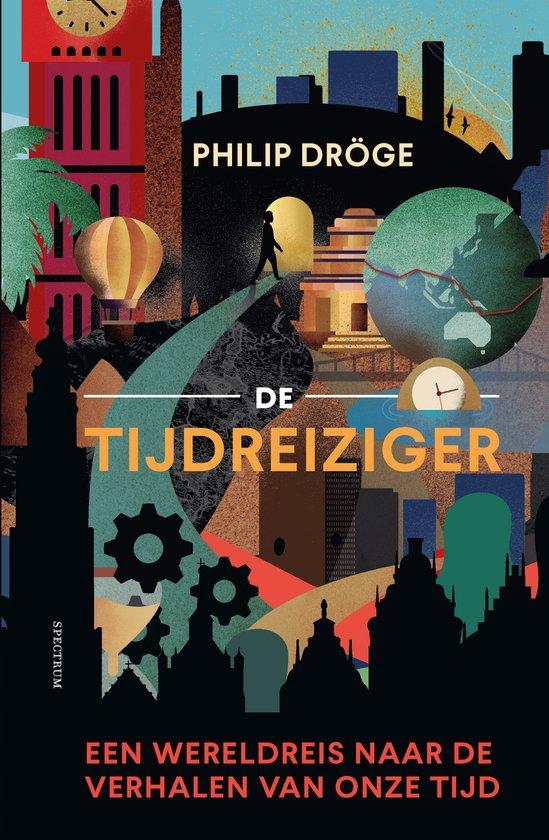
The Time Traveller
Fascinated by Jules Verne’s world-famous adventure novel Around the World in Eighty Days, Dröge decided at a very young age to undertake that nineteenth-century ‘journey through time’ himself. As we know, the protagonist completes his journey within the promised eighty days because by travelling eastwards he gains time.
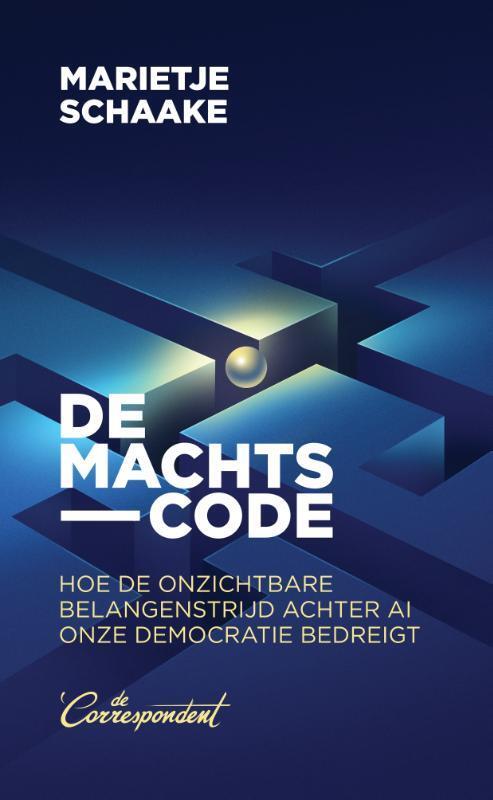
Code of Power: Why the Hidden Power Struggle behind AI puts Democracy at Risk
An urgent, informative and activist pamphlet on the risks of AI, full of sound ideas for how Europe can counter the threats it poses.
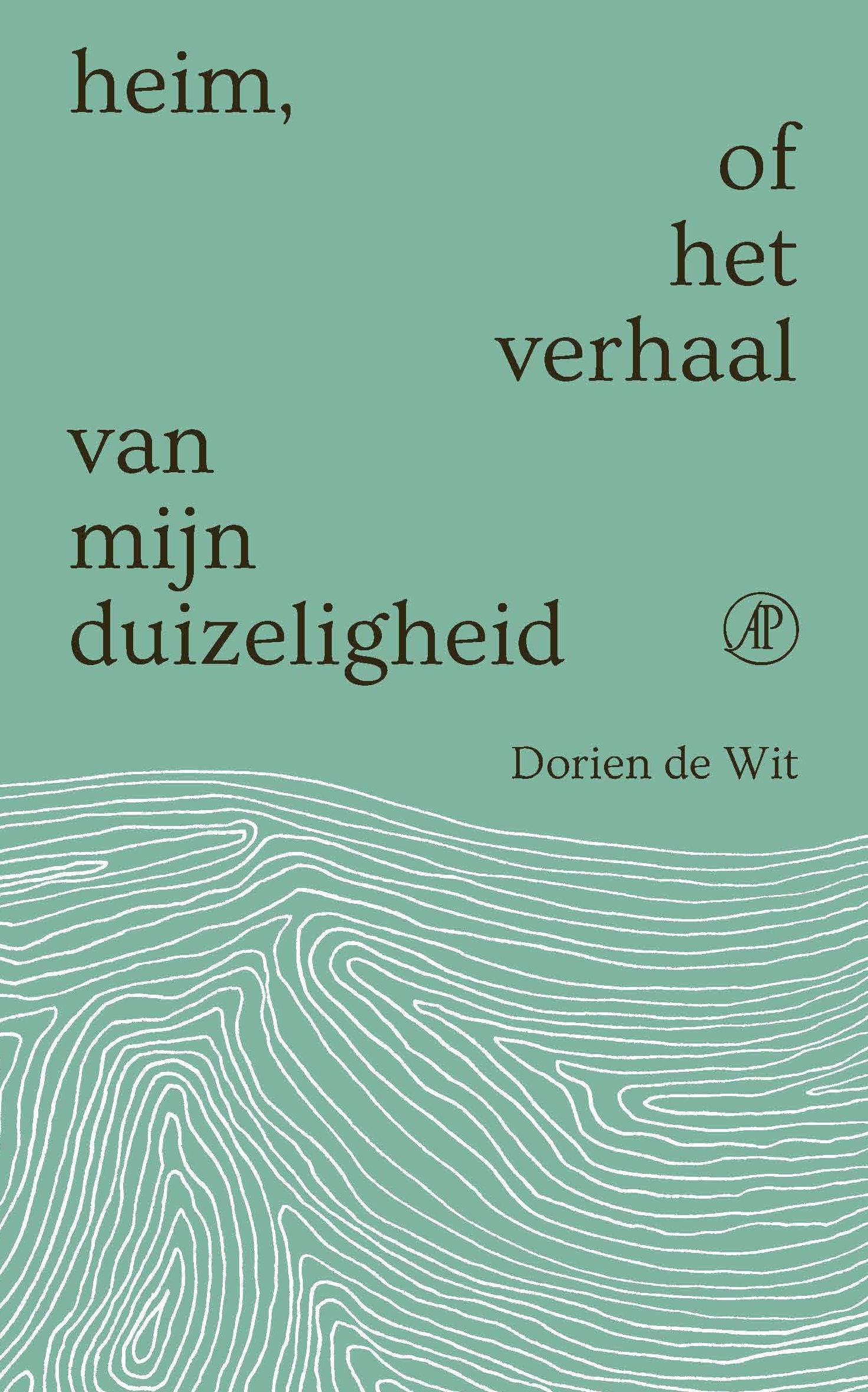
Home, Or the Story of my Dizziness
A personal and poetic exploration of universal feelings of fear of the unknown, change, travel, homesickness, and belonging.
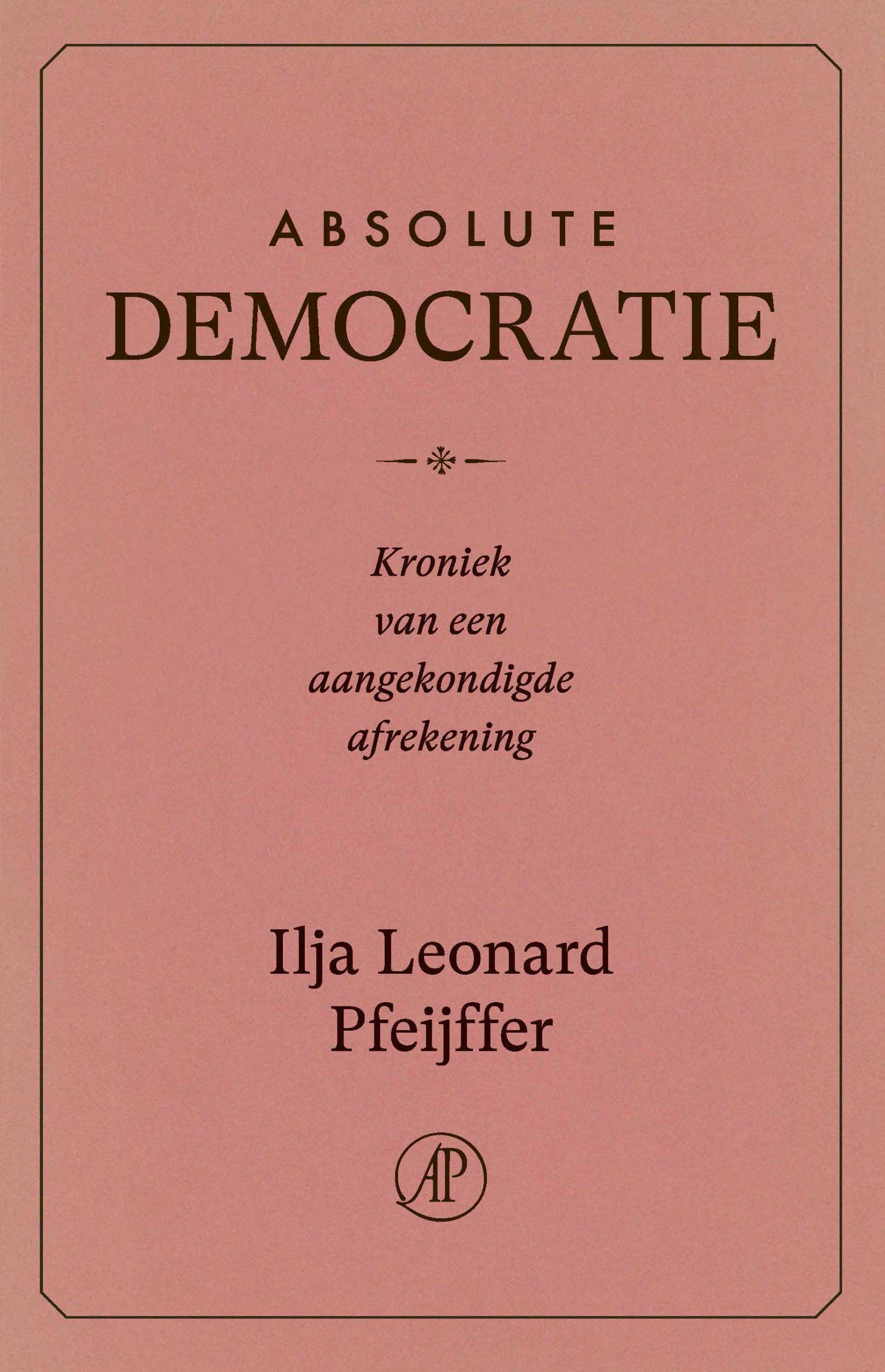
Absolute Democracy: Chronicle of a Foretold Reckoning
A powerful warning against the rise of authoritarian political leaders.
Sanne Bloemink (b. 1973) is an essayist, and writes for the Dutch weekly De Groene Amsterdammer. She also worked as a lawyer and jurist in Amsterdam and New York. She has written several books, including 'Happy Me' (2012) and 'De wilde wereld' (The Wild World, 2020).